

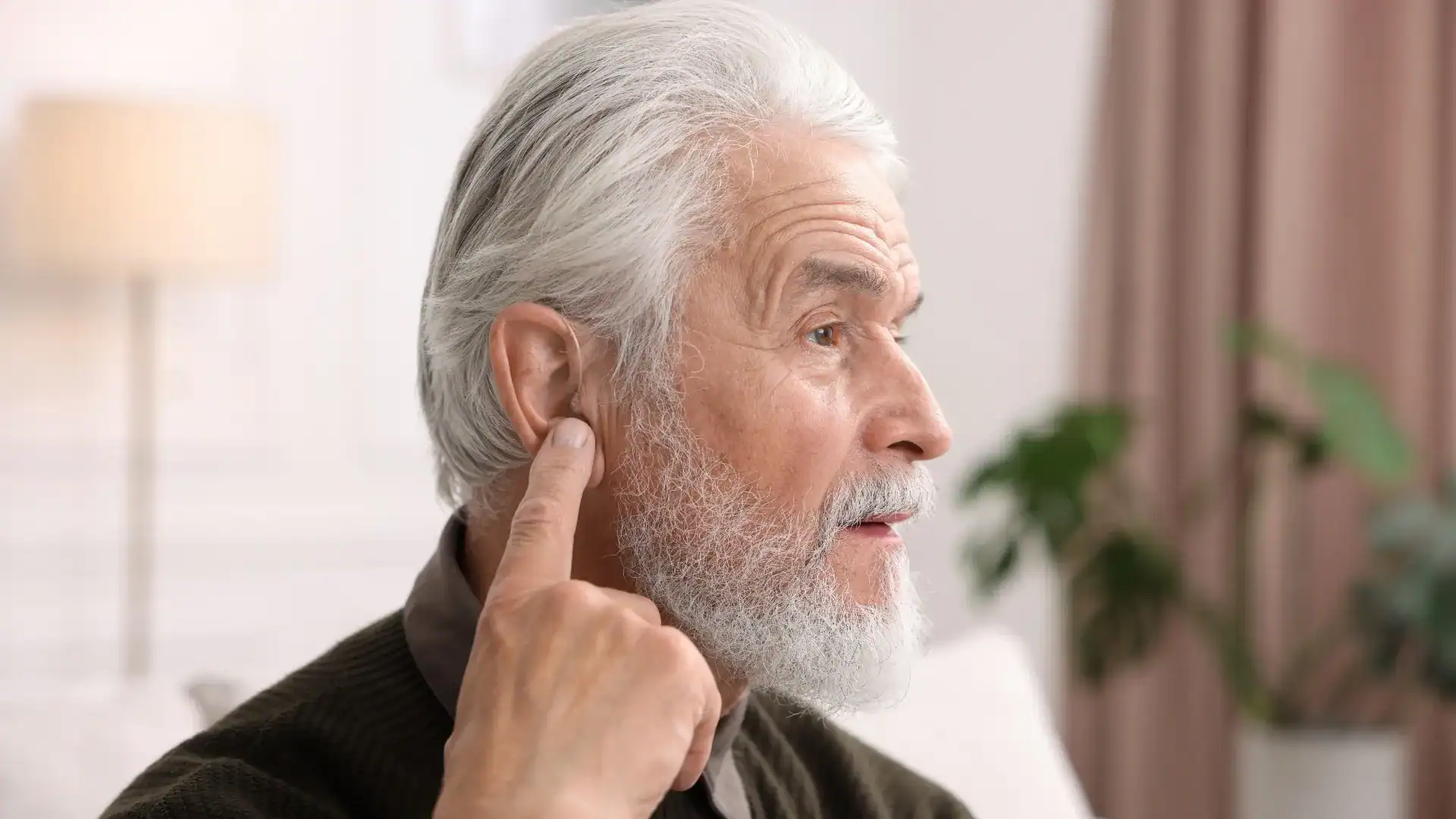
Many believe hearing aids program themselves correctly right out of the box. Manufacturers design sophisticated software that calculates settings based on hearing test results, creating a false sense of security for the buyer. However, this initial fit is merely a mathematical guess based on an average ear canal.
Since every individual possesses a unique ear shape and size, the sound pressure levels reaching the eardrum vary wildly from what a computer predicts. Relying on automated settings without physical verification often leads to a finished product that lacks clarity and fails to meet the specific needs of the wearer.
Relying on Software Alone Is Often Risky
Generic manufacturer settings often fall off because software cannot see inside a human ear. The program uses a standard model to estimate how sound behaves, but factors such as ear canal volume and curvature change how frequencies resonate. When a professional skips the physical measurement step, the wearer might receive too much amplification in some areas and not enough in others.
This mismatch causes frustration because the device does not perform as expected in noisy environments. Without a probe tube to measure actual output, the programming remains a theoretical exercise rather than a customized, effective medical solution.
How Physical Ear Shapes Change the Sound
The physical anatomy of an ear canal acts like a natural amplifier for certain pitches. Smaller canals increase sound pressure significantly, while larger or surgical ears might lose energy before the sound hits the drum. Real-ear testing involves placing a small microphone inside the ear canal to measure exactly what the device is doing in that specific environment.
If this step is ignored, the hearing aid might be uncomfortably loud or dangerously quiet without the fitter ever knowing. Accuracy depends on moving past the digital screen and looking at the physics of the individual person sitting in the chair.
Missing the Target for Speech Intelligibility
The primary goal of wearing hearing aids is to improve understanding of conversation, especially in the presence of background noise. Specific mathematical targets exist to ensure the brain receives enough high-frequency information to distinguish between words like “cat” and “hat.”
When a hearing health professional does not verify these levels, the wearer often struggles to hear clearly, even though the volume seems loud enough. Research consistently shows that most devices fitted without verification do not meet these speech targets. This gap explains why many devices end up in a drawer rather than helping a person stay connected to their friends and family.
Why Some Clinics Avoid This Testing Step
Equipment for real ear measurements is expensive and requires extra time during the appointment, which leads some offices to cut corners. Some hearing health professionals argue that their years of experience allow them to “tune by ear” or rely on patient feedback to make adjustments.
While patient comfort is important, the human brain is very good at adapting to poor sound, which means a person might think their aids are fine when they are actually missing thirty percent of the speech signal. Skipping this gold standard of care might save twenty minutes, but it often results in subpar outcomes.
The Counter-Case for Subjective Adjustments
A less common perspective suggests that some people prefer a “sub-optimal” fit because it feels more comfortable to their sensitive ears. While clinical targets provide the best clarity, a rigid adherence to numbers without considering personal preference can sometimes lead to rejection of the technology.
However, even in these cases, testing provides a baseline so the hearing health professional knows exactly how much they are deviating from the ideal. Having the data allows for a deliberate choice rather than a blind guess. Knowing the truth about sound levels ensures any adjustments for comfort are intentional and tracked over time.
Finding Success Through Verified Results
High-end hearing aids are only as effective as their calibration. To truly bridge the gap between “good enough” and crystal clear, physical verification measurements are necessary. This precise testing ensures your devices are tuned specifically to your ear’s unique shape and hearing needs. Without it, you are simply guessing.
Our team is here to help you unlock the full potential of your hearing technology through expert fitting. If you want to hear every detail with confidence, call the office to book your appointment today.