

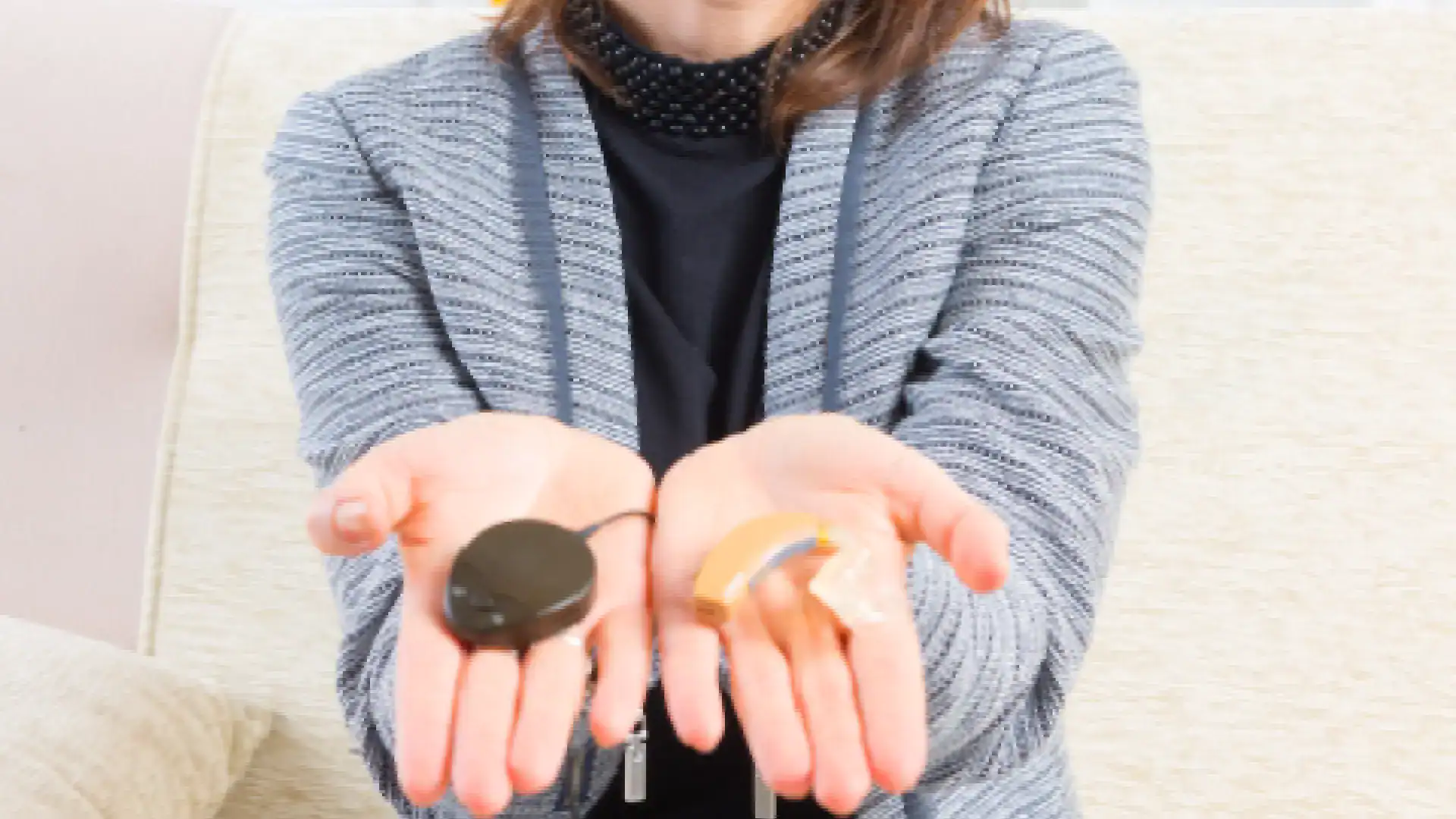
Cochlear implants often feel like more than medical technology. They become part of daily life, supporting communication, relationships, and independence. Once the initial adjustment period passes, many recipients quickly realize that caring for the device long-term is just as important as the surgery itself. A cochlear implant is not a set-it-and-forget-it device. It requires thoughtful attention to remain reliable over the years.
Long-term care involves more than charging batteries or replacing parts. It means building habits that protect performance, extend durability, and reduce unnecessary complications. With consistent attention, a cochlear implant can remain a trusted companion for decades, continuing to open doors to clearer sound and meaningful connection.
Protecting the Device from Everyday Wear
Cochlear implants are durable, but moisture, sweat, and dust can destroy them. Maintenance of the external processor prevents these issues. After a workout or outdoor time, keep the device dry to protect vulnerable parts. Hearing aid dehumidifiers and drying kits reduce moisture buildup and are good purchases. Though minor at first, this attention matters over time.
For long-term protection, watch out for drips, bumps, and curious pets and kids. Secure carrying cases give peace of mind throughout travel or busy days. Many patients benefit from schedules for where the device rests at night or while not in use. Routines reduce unintended harm. Minimizing device wear requires awareness, not perfection. Being aware maintains technology quality and performance.
Managing Batteries with Consistency
Every cochlear implant relies on batteries to function. To eliminate sound interruptions, rechargeable and disposable options must be managed. Effective charging practices enhance battery life and reduce shutdowns. Rechargeable batteries work best when stored cool and dry. Protecting disposable batteries from severe temperatures and moisture improves performance. Device corrosion can be prevented by removing disposable batteries while not in use.
During travel or extended workdays, long-term users benefit from having backup batteries nearby. With an extra set, sound disruptions are less irritating. Instead of just replacing batteries, develop charging and storage habits. Consistent performance is important to long-term cochlear implant enjoyment, and effective battery care helps.
Cleaning and Maintenance That Lasts
In long-term cochlear implant care, routine cleaning is often overlooked. All day, the external processor collects oils, dust, and debris from skin and hair. By the end of the day, wipe with a soft, dry cloth to prevent accumulation that could affect sound quality or comfort. Microphone ports can be cleaned with hearing device brushes. To protect sensitive surfaces, avoid aggressive cleansers, alcohol, and excessive water.
Besides everyday care, professional servicing at recommended intervals keeps the device in top shape. This may involve updates, replacements, or checks. As with a phone or computer, a cochlear implant requires professional upkeep. Professional cleaning and servicing improve device life and prevent problems from worsening. Consistency supports function and peace of mind.
Building Healthy Listening Habits
Long-term care goes beyond the device; its daily use affects durability and performance. Many people feel that responsible volume adjustment reduces the strain on the implant and auditory system. Extremely noisy environments can stress devices and listeners. Avoiding loudspeakers and utilizing hearing protection improves hearing health and reduces implant wear.
Good listening habits extend to rest. Taking breaks from constant input recharges the device and improves auditory processing. Try to stay balanced. Cochlear implants deliver steady sound, but long-term users benefit from daily stillness. Care in listening contexts protects technology and wearers.
Handling Upgrades and Adjustments
Technology evolves with time. Manufacturers of cochlear implants often improve function, comfort, and connectivity through upgrades. Updates vary on lifestyle, insurance, and device condition. New models are tempting, but careful planning enables a smooth transition. Updating software and replacing processors beforehand prevents hearing problems.
Setting changes over time also bring satisfaction. Professional adjustments modify the implant to meet changing hearing needs with age or health. Regular mapping sessions improve device clarity in varied situations. Technology changes, but regular maintenance guarantees a solid hearing support base.
Support Systems That Make a Difference
Maintaining a cochlear implant without support can be stressful. Teachers, parents, and coworkers help users develop healthy habits and monitor device needs. Daily routines are improved with charging, storage, and checkup reminders. Peer groups and online communities offer ideas, challenges, and encouragement to some individuals.
Hearing health professionals keep technology and the hearing journey on track with regular appointments. Open discussion during these meetings helps identify little concerns before they evolve. Schedule a follow-up session to reinforce your device care foundation and ensure success.