

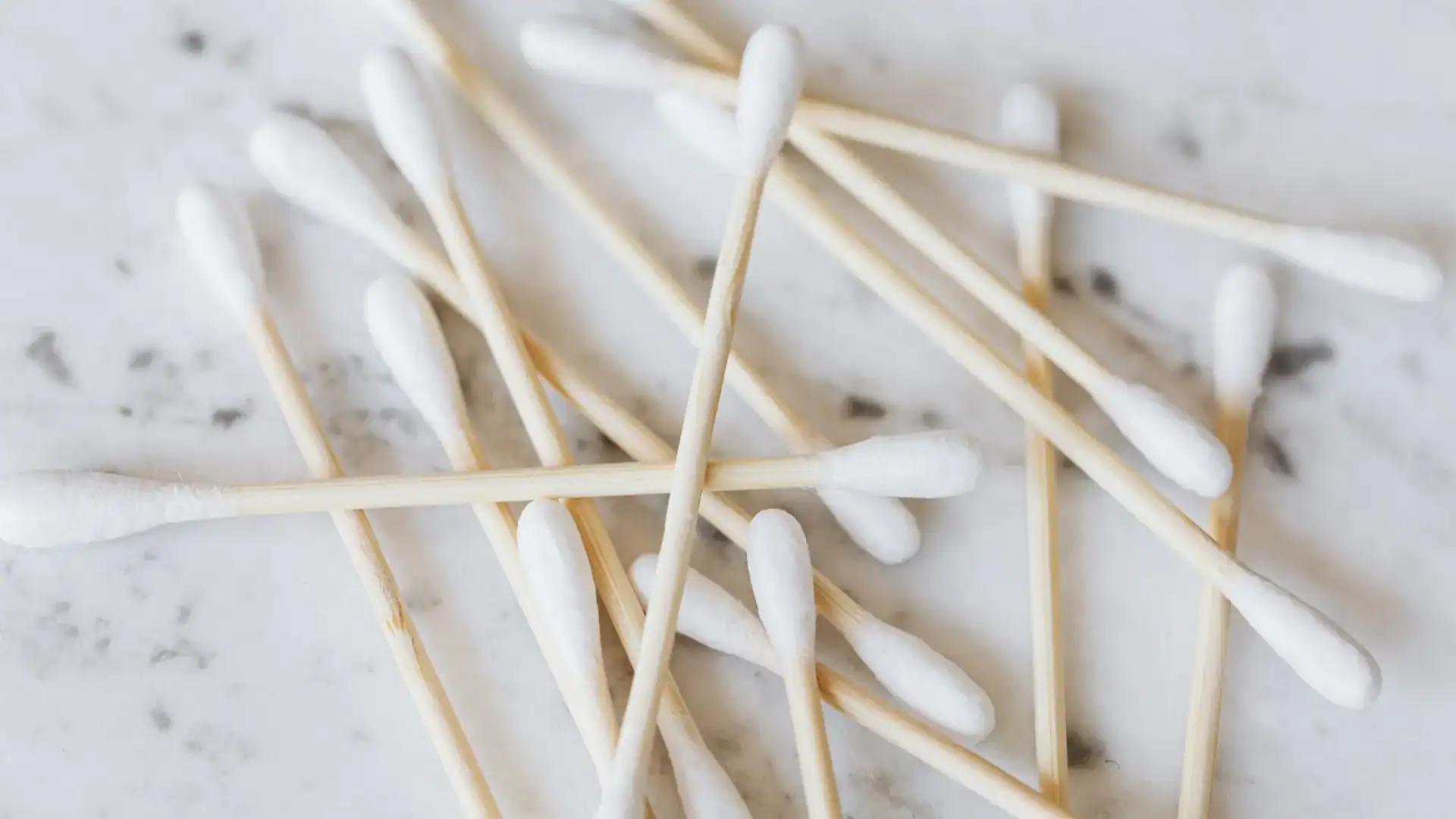
Most people reach for cotton swabs without a second thought because the habit feels satisfying and clean. The ears actually possess a brilliant self-cleaning mechanism that pushes old wax out naturally over time. Inserting objects into the ear canal disrupts this beautiful process and frequently creates serious medical issues.
While the packaging often warns against inner ear use, individuals still risk their hearing daily out of habit. Understanding how these small tools cause physical harm can protect your ears from unnecessary injury. Here is what really happens inside the ear canal when people use cotton swabs.
Can Cotton Swabs Cause Ear Trauma?
The short answer is yes because the ear canal is a delicate, narrow dead end. Cotton swabs do not actually scoop wax out, but instead act like a plunger in a pipe. Each push packs the earwax deeper into the ear canal against the eardrum, which creates a hard, stubborn blockage.
This impaction causes temporary hearing loss, ringing, and a frustrating sensation of fullness that requires medical intervention. The skin inside the ear is thin and tears easily under pressure. Pushing wax deeper sets the stage for painful infections and long-term structural damage.
Swabs Can Puncture Your Eardrum
The eardrum sits just a short distance from the entrance of the ear canal. A sudden slip of the hand or an unexpected bump from a pet can drive the swab straight into this fragile membrane. This forceful contact causes an immediate, sharp pain and often results in a ruptured eardrum.
A torn eardrum allows bacteria to enter the middle ear, which triggers severe infections and drainage. While some small tears heal on their own, larger punctures require surgical repair to restore proper hearing. Protecting this thin barrier remains paramount for maintaining long-term acoustic health.
Scratching Canal Skin Risks Infection
The skin lining the ear canal is remarkably thin and sensitive to friction. Cotton swabs strip away the protective layer of wax that naturally fights off harmful bacteria and fungi. The rough cotton fibers easily create microscopic scratches in this vulnerable tissue during a cleaning attempt.
These tiny cuts allow bacteria to enter the skin, which frequently leads to an agonizing condition called swimmer’s ear. The resulting inflammation causes intense itching, swelling, redness, and foul-smelling discharge. Eliminating the protective wax barrier essentially invites infection-causing germs to thrive inside the ear.
Disrupted Earwax Causes Dry Itchy Ears
Earwax serves a brilliant purpose because it acts as a natural moisturizer and shield for the ear canal. This sticky substance traps dust, dirt, and dead skin cells before they can reach the deeper structures. Stripping this natural coating away with cotton swabs leaves the skin completely bare, dry, and irritated.
The lack of moisture triggers a chronic, annoying itch that makes people want to scratch even more. This vicious cycle of scratching and stripping leads to chronic inflammation and flaky skin. Healthy ears actually need a steady presence of wax to stay comfortable and lubricated.
Cotton Fibers Can Get Trapped Inside
The tips of cotton swabs can easily pull apart or unravel during use inside a tight canal. Small, invisible strands of cotton often catch on the rough edges of earwax or skin and remain behind. These foreign fibers act like a magnet for moisture, debris, and bacteria within the dark ear canal.
Over time, the trapped material creates a breeding ground for nasty infections or forms a solid plug. A doctor must use specialized tools to safely extract these stubborn remnants under a microscope. Leaving loose fibers inside the ear only invites discomfort and medical complications.
Safe Cleaning Habits Protect Your Hearing
The human ear truly does not need manual scrubbing because the jaw’s natural chewing movements gradually move old wax to the outside world. You can safely wipe your outer ear with a damp washcloth during a regular shower to maintain cleanliness. If a large wax buildup causes discomfort or muffled hearing, professional removal remains the safest solution.
Our hearing health professionals utilize gentle irrigation or micro-suction to clear blockages without risking any structural damage. Schedule an appointment today to evaluate your current hearing health and experience safe, professional ear care that preserves your peace of mind.