

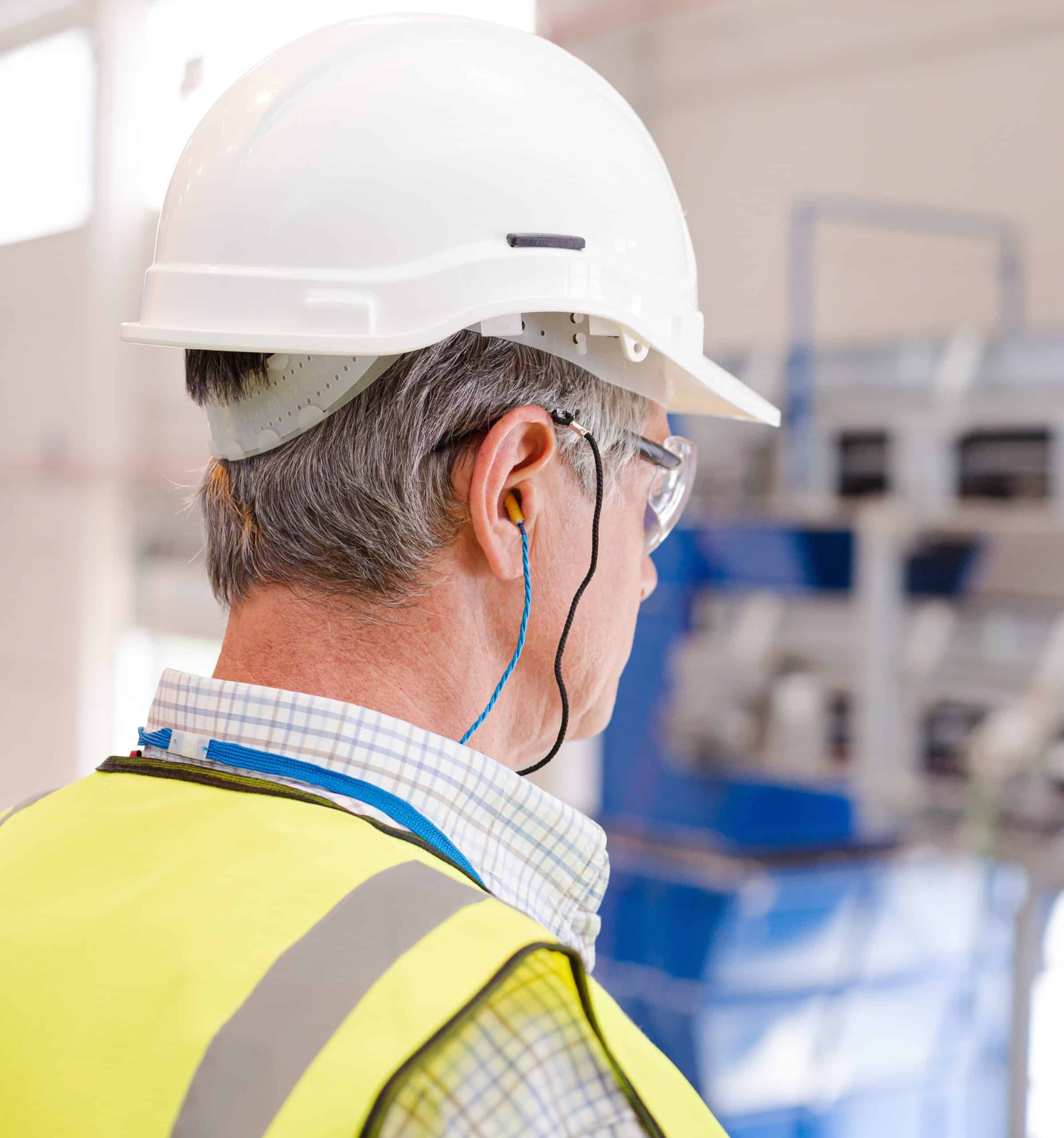
Loud environments are among the leading causes of hearing damage worldwide. Many people are exposed to intense noise either through their job or their recreational activities. Two environments often associated with loud noise are construction sites and live music concerts.
While these settings are very different, both can expose the ears to noise levels that may lead to long-term hearing problems. Understanding how these environments affect hearing can help people take steps to protect their ears and reduce the risk of permanent hearing loss.
How Loud Noise Affects Hearing
The human ear is a complex and delicate system. Inside the inner ear are tiny sensory cells known as hair cells. These cells detect sound vibrations and send signals to the brain, enabling us to recognize speech, music, and environmental sounds.
When sound levels are too high, these hair cells can be damaged. Unlike many other cells in the body, hair cells do not grow back. Once they are destroyed, the resulting hearing loss is permanent.
Health experts often explain that sounds above about 85 decibels can begin to cause hearing damage when exposure lasts long enough. The louder the sound and the longer the exposure time, the greater the risk.
Noise Exposure on Construction Sites
Construction sites contain many types of heavy equipment and power tools. These machines are designed to perform demanding tasks, which often require powerful motors that generate significant noise.
Workers on construction sites may be exposed to loud sounds throughout the entire workday. Over time, this repeated exposure can cause gradual hearing damage.
Common sources of construction noise include:
- Jackhammers and demolition equipment
- Bulldozers, dump trucks, and other heavy vehicles
- Circular saws, drills, and nail guns
Many of these tools can produce sound levels that exceed 100 decibels. At these levels, hearing damage can occur after extended exposure without proper protection. Construction workers may experience noise for several hours each day, which means the damage can accumulate slowly over time.
Noise Levels at Concerts and Music Events
Concerts and music festivals are another environment where sound levels can become very high. Large speaker systems are designed to project music across wide areas so that everyone in the audience can hear clearly.
However, this amplification can create extremely loud sound levels. In some concerts, sound levels can reach 100 to 110 decibels or higher. When people are exposed to sound at these levels, hearing damage can begin within a short time. After leaving a loud concert, many people notice ringing or buzzing in their ears. This condition is called tinnitus.
Tinnitus after a concert is often temporary, but it can be a warning sign that loud sounds have stressed the ears. Repeated exposure to loud music without protection can eventually lead to permanent hearing damage.
Comparing Construction and Concert Noise
Both construction sites and concerts expose people to loud noise, but the patterns of exposure differ. Construction workers typically experience moderate to very loud noise for long periods. Because this exposure occurs daily, the cumulative noise over weeks or years can become very high.
Concertgoers may experience extremely loud sound, but the exposure usually lasts only a few hours at a time. Even though the duration is shorter, the sound’s intensity can still quickly damage hearing. In both cases, hearing protection is essential to reduce risk.
Protecting Your Hearing in Loud Environments
Preventing hearing damage is much easier than managing hearing loss later. Fortunately, several simple steps can help protect the ears in noisy settings.
Effective hearing protection strategies include:
- Wearing earplugs or protective earmuffs when noise levels are high
- Taking breaks away from loud sound sources whenever possible
- Standing farther away from speakers, engines, or machinery
Specialized earplugs are available for musicians and concertgoers. These earplugs reduce sound volume while preserving music quality, allowing people to enjoy concerts more safely.
Workers in noisy industries often use industrial-grade hearing protection to reduce the impact of machinery noise.
Monitoring Hearing Health
People who are frequently exposed to loud sounds should monitor their hearing regularly. Early testing helps detect hearing changes before they become severe. A professional evaluation measures hearing ability across a range of frequencies. These tests help specialists determine whether noise exposure has begun to affect hearing sensitivity.
If hearing loss is identified, hearing professionals may recommend treatment options, including hearing aids. Regular testing also helps people track their hearing health over time and make adjustments to their hearing protection habits if necessary.
Protecting Hearing for the Long Term
Hearing is an important part of daily life. Using proper hearing protection, limiting exposure to loud sounds, and scheduling regular hearing evaluations can significantly reduce the risk of permanent hearing loss. By taking these steps, individuals can continue enjoying the sounds of work, entertainment, and everyday life while keeping their hearing healthy for the future.