

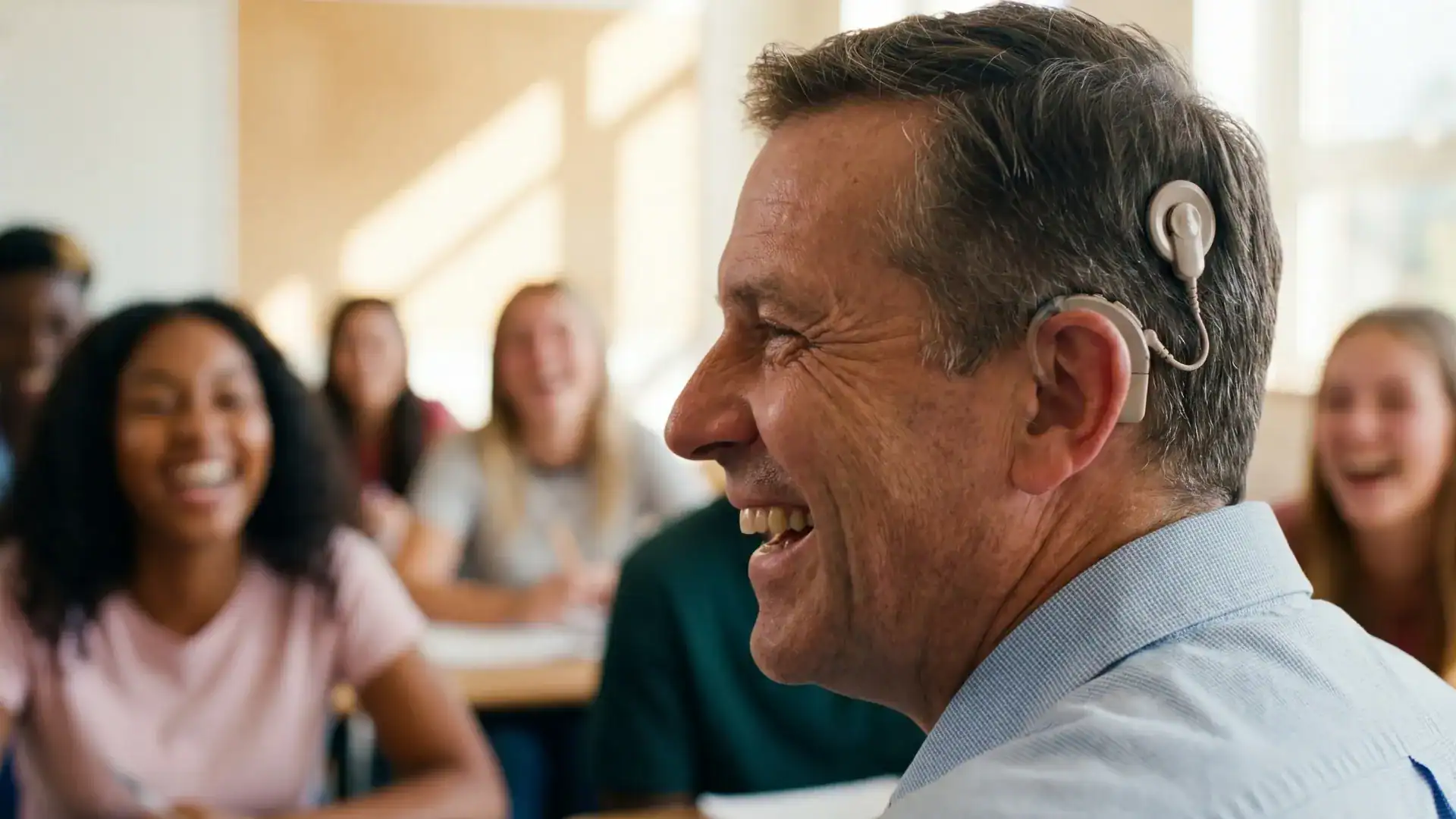
The moment a hearing health professional turns on a cochlear implant marks the beginning of an incredible new chapter. Many people expect an immediate flood of perfectly clear speech, but the reality of activation day is often much more surprising and complex. The brain needs time to interpret the new electrical signals it receives from the device.
Instead of instant clarity, the initial sounds might resemble electronic beeps, static, or even cartoon voices. This initial phase requires patience as the mind learns a completely new way of listening. Understanding what to expect during these first few weeks with your cochlear implant can transform potential frustration into a rewarding process toward better hearing health.
Learning to Decode New Electronic Sounds
The brain requires significant time to translate the electrical impulses from the implant into recognizable speech. Initially, everyday noises like a running faucet or a turning page might sound incredibly loud and strange. Many individuals report that human voices sound mechanical or high-pitched during the first few days.
Regular practice with listening exercises helps the brain map these unfamiliar signals to the correct real-world sounds. Committing to wearing the processor during all waking hours accelerates this adaptation process. Over time, the strange environment begins to feel natural and comfortable.
Managing the Reality of Auditory Fatigue
Processing a brand-new stream of sound requires immense mental energy from the brain every single day. Many people feel surprisingly exhausted by the afternoon during the initial weeks following activation. This exhaustion happens because the auditory cortex is working overtime to filter and organize unfamiliar acoustic data.
Taking short breaks in a quiet room can prevent overwhelming sensory overload and recharge mental focus. Building rest periods into the daily schedule supports a smoother transition without causing unnecessary frustration. Recognizing this fatigue as a normal part of healing ensures a more positive outlook.
Setting Realistic Milestones for Progress
Progress with a new device happens in small steps rather than overnight transformations. Success looks different for everyone, ranging from hearing a doorbell to following conversations in noisy restaurants. Keeping a daily journal of small victories helps maintain motivation when the process feels slow.
Unfavorable environments, like crowded rooms, will continue to challenge communication skills for a while. Celebrating the subtle changes, like recognizing a loved one’s laugh, keeps the focus on steady improvement. Patience remains the most important tool for anyone adapting to this technology.
Relearning Environmental Noise Awareness
The surrounding world is full of background sounds that normally go unnoticed by people with typical hearing. An implant brings back the hum of the refrigerator, the rush of traffic, and the sound of footsteps. These constant background noises can feel intrusive before the brain learns to ignore them again.
Practicing focused listening helps the mind separate important speech from general environmental clatter. Turning down the volume during chaotic moments can offer temporary relief as comfort levels grow. Gradually, the brain regains its natural ability to prioritize important auditory information.
The Role of Consistent Speech Training
Active auditory rehabilitation forms the foundation of long-term satisfaction with a new device. Listening to audiobooks while reading the physical text helps connect spoken words with their visual counterparts. Family members can assist by reading aloud or playing simple word association games in quiet spaces.
Regular practice trains the mind to distinguish between similar speech sounds more accurately. Dedicating just thirty minutes each day to focused listening exercises yields noticeable improvements in communication confidence. Consistent effort bridges the gap between simply hearing a sound and truly understanding its meaning.
Embracing Support for Lasting Success
Achieving the best results requires a dedicated partnership with local hearing care specialists for regular programming adjustments. Hearing health professionals fine-tune the device settings over several months to match changing hearing levels. Connecting with support groups offers valuable insights from others who share similar experiences.
If you or a loved one wants to increase the benefits of advanced hearing technology, reaching out to our hearing practice can provide the necessary guidance and customized programming. Taking this step ensures continuous progress and long-term satisfaction with your hearing investment.